 Home
Home Software
 AR/Apps
 VR/Meta
 VR SOP
 AI
AI CGI
CGI Partners
 Industries
 About
About Blog
Blog Contact
Popular Topics
 Author: Spark Team
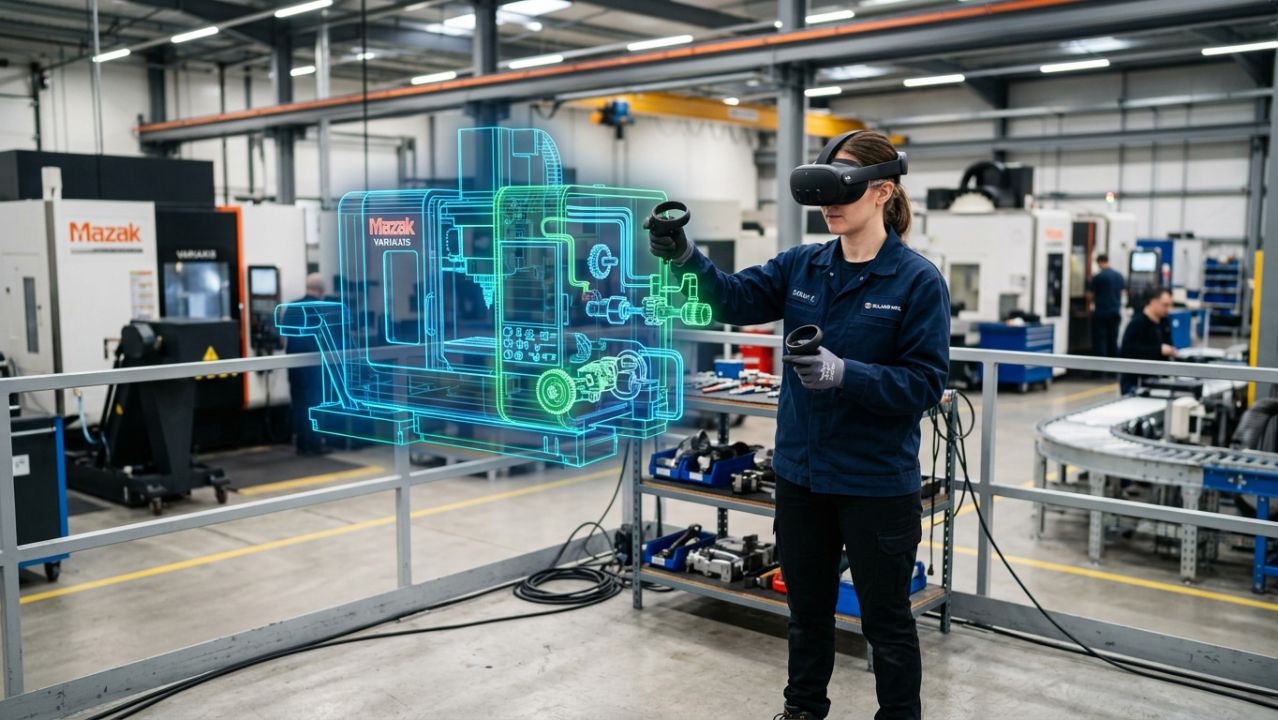
How Virtual Reality Is Helping Manufacturing Improve Training, Maintenance and Shop floor Readiness
Manufacturing is one of the clearest business cases for virtual reality because it combines physical processes, technical complexity and constant pressure on speed, safety and consistency. VR gives manufacturers immersive ways to train operators, rehearse tasks and understand systems before live execution. Reuters reported this month that ABB is working with Nvidia to improve industrial robot training by making virtual simulations more realistic, while Deloitte’s digital-shop floor work highlights immersive VR and AR operator training as a useful tool for workforce upskilling.
READ FULL ARTICLE Author: Spark Team
How Augmented Reality Could Support the Legal Sector Through Better Visualisation, Training and Client Communication
The legal sector is not yet one of the most mature markets for augmented reality, but it is an increasingly interesting one. Law depends heavily on interpretation, explanation and evidence, and those are areas where better visualisation can add value. AR could help legal professionals present complex scenarios more clearly, support education and training, and create more intuitive ways to explain information to clients, juries or stakeholders. Thomson Reuters’ recent work on law schools and AI literacy shows how quickly legal education is evolving around new technologies, while broader legal-practice reviews increasingly discuss immersive tools as part of the future legal toolkit.
READ FULL ARTICLE Author: Spark Team
How Virtual Reality Could Help Insurance Improve Training, Claims Understanding and Customer Experience
Insurance is not usually the first sector associated with virtual reality, but it is becoming a more interesting one as insurers look for better ways to explain complexity, train staff and modernise customer interaction. Recent insurance-sector writing from Emerald frames “the metaverse in insurance” around virtual customer experiences, while wider industry discussion continues to connect immersive technology with claims understanding, policy explanation and digital innovation.
READ FULL ARTICLE Author: Spark Team
How Augmented Reality Is Supporting Healthcare Through Better Training, Visualisation and Patient Understanding
Healthcare is one of the most compelling sectors for augmented reality because it combines high-stakes decision-making with a constant need for clearer communication, better training and more confident clinical practice. AR can help by placing digital guidance and 3D visual information into real-world settings, making complex anatomy, procedures and processes easier to understand. NHS England already notes that AR and VR can support medical education, imaging and training, while recent peer-reviewed reviews continue to highlight immersive tools as promising for clinician education and patient experience.
READ FULL ARTICLE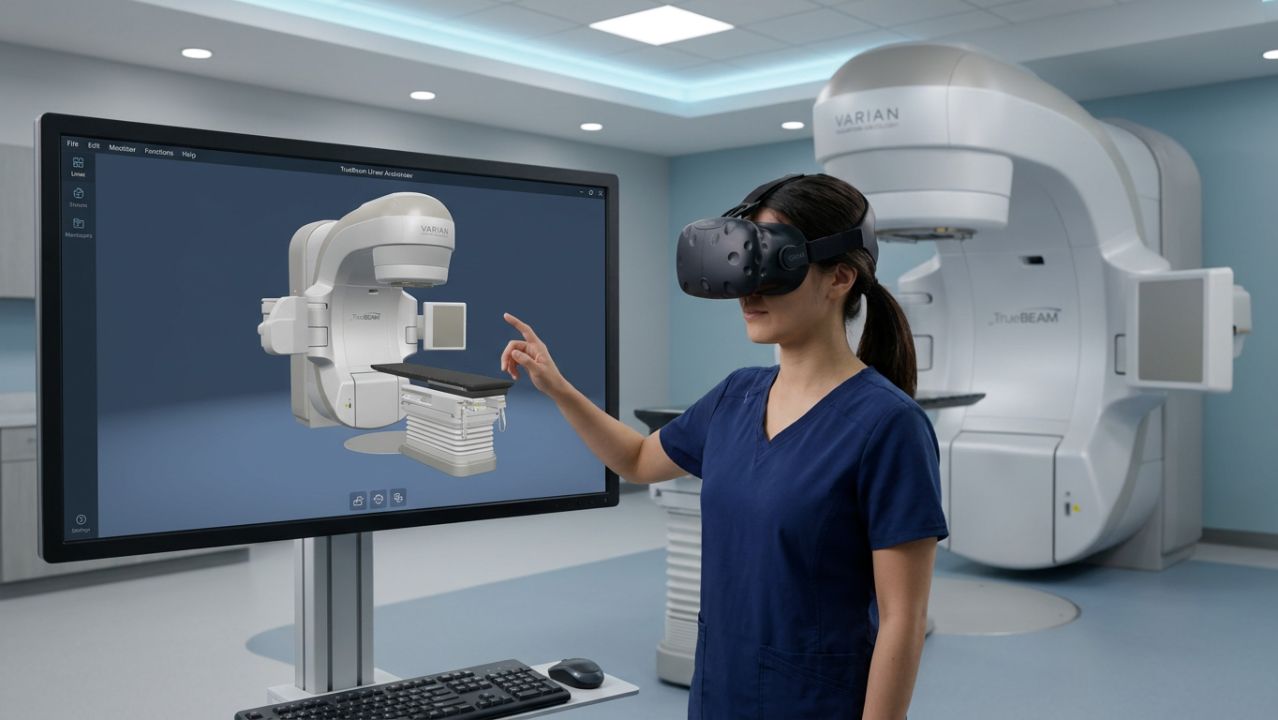 Author: Spark Team
Radiation Oncology Treatment Planning: Virtual Linac Simulation for Precision Cancer Therapy
Radiation oncology depends on precision at every stage. From patient positioning and beam setup to dose calculation and organ-at-risk sparing, success relies on disciplined workflows and consistent attention to detail. Even small setup errors can have meaningful consequences, which is why training in this field has always required a strong blend of technical understanding, spatial awareness, and procedural accuracy.
READ FULL ARTICLE© 2026 All Rights Reserved | Company Reg No. 05327622 | Spark Emerging Technologies Limited